My creative journey: process and research
Discover the thought, dedication, and meticulous planning that goes into every dance and arts project at Professional Portfolio. Here, I delve into my unique approach, from the spark of an idea to the final curtain.
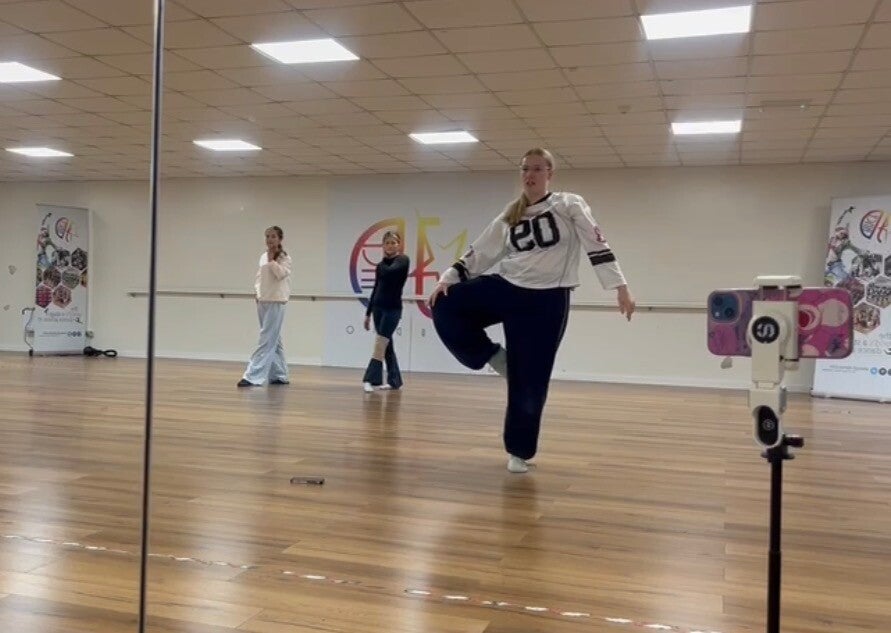
From concept to movement: my starting point
When approaching a new dance or arts project, I starting point is usually understanding the intention behind the work. I take time to explore the theme, music, or brief, and think about the message or feeling I want to communicate. From there, I begin with movement exploration, improvising and experimenting with different styles and qualities to see what feels most authentic and effective.
I often draw on our training across multiple styles, allowing myself to blend techniques and adapt my approach depending on the project. For example, I might start with structured choreography if the piece requires precision, or more free movement if the focus is on expression and creativity.

Research and preparation: fostering engagement
When preparing for a new project, particularly within an educational or teaching context, my research is strongly influenced by student-centred learning approaches and an awareness of different learning styles. I consider how individuals engage with movement in different ways, and how I can adapt my teaching or choreography to support a range of learners.
I often begin by exploring the needs, abilities, and preferences of the group I am working with. This might include thinking about whether students respond better to visual demonstration, verbal explanation or physical practice. While I understand that learning styles are not always scientifically fixed, I find that incorporating a variety of approaches, such as demonstration, discussion, and hands-on practice, helps to create a more inclusive and engaging environment.

From idea to performance: my creative stages
My creative process usually begins with an initial idea or stimulus, such as music, a theme or a brief. From this starting point, I explore movement through improvisation, allowing myself to experiment with different dynamics, styles and qualities to find what best represents the idea.
The next stage is development, where I begin to structure and refine movement material. I select key motifs or sequences and start shaping them into choreography, considering elements such as timing, spatial awareness, and musicality. If the work involves others, this is also where collaboration becomes important, as we adapt material to suit different dancers and ensure everyone is engaged and confident.
Rehearsal is a crucial stage in our process. Here, I focus on clarity, precision, and performance quality, using repetition and feedback to improve both technical and expressive aspects. I also remain flexible, making adjustments where needed to strengthen the overall piece.
My unique approach: inclusivity and adaptability
One of the most important aspects of my creative process is my focus on inclusivity and adaptability, particularly through a student-centred approach. I place a strong emphasis on understanding how different individuals engage with movement, and I actively shape my work to support a range of abilities, experiences, and confidence levels. This means my process is not fixed, it evolves depending on who I am working with and the context of the project.
A key element that defines my work is the balance between structure and creativity. Drawing from my training across multiple styles, I combine technical precision with opportunities for exploration, allowing both myself and others to develop skills while still expressing individuality. I also value the role of collaboration, whether that’s working with professional partners or supporting younger and less experienced dancers, as it brings different perspectives and energy into the process.